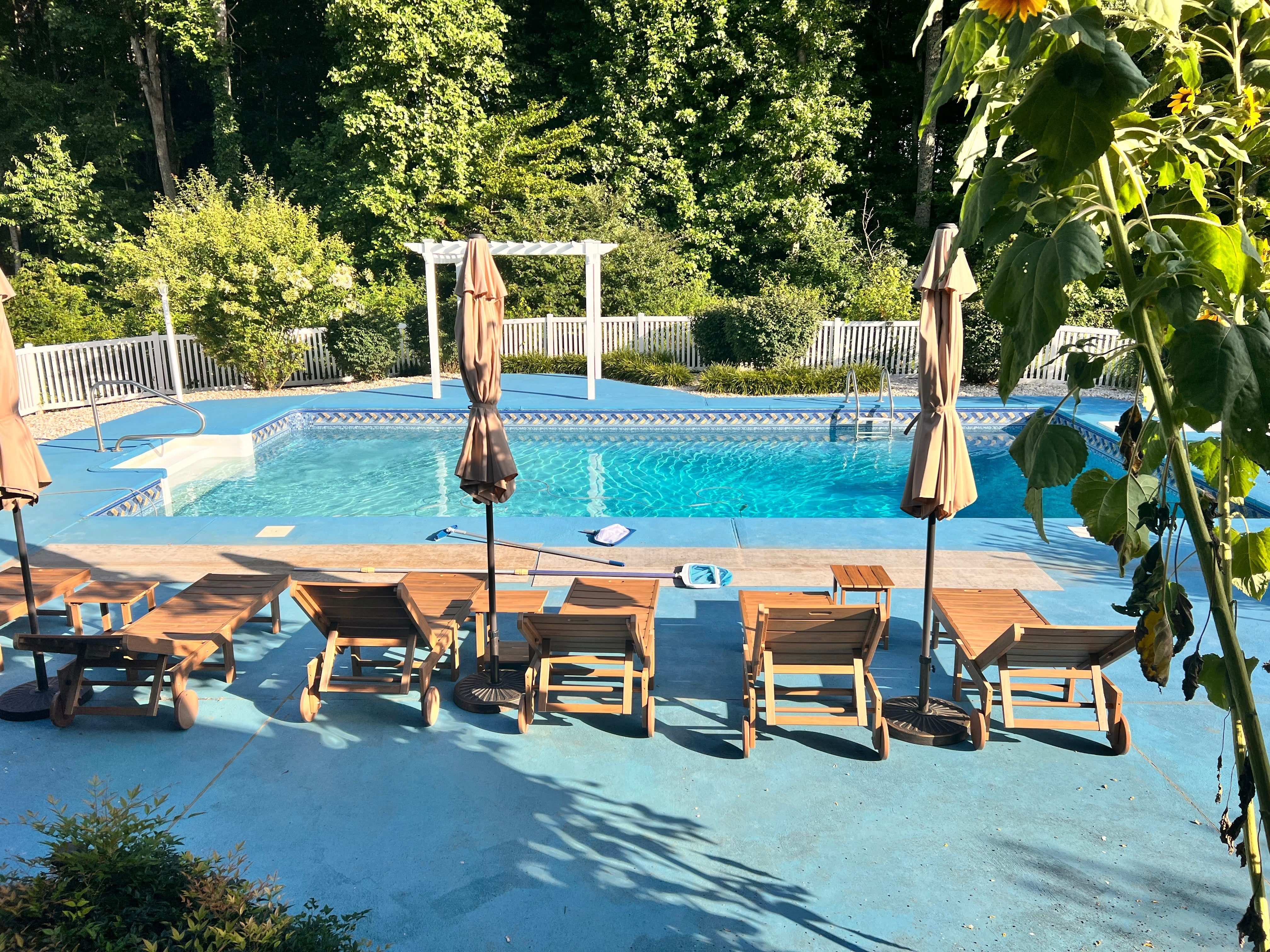

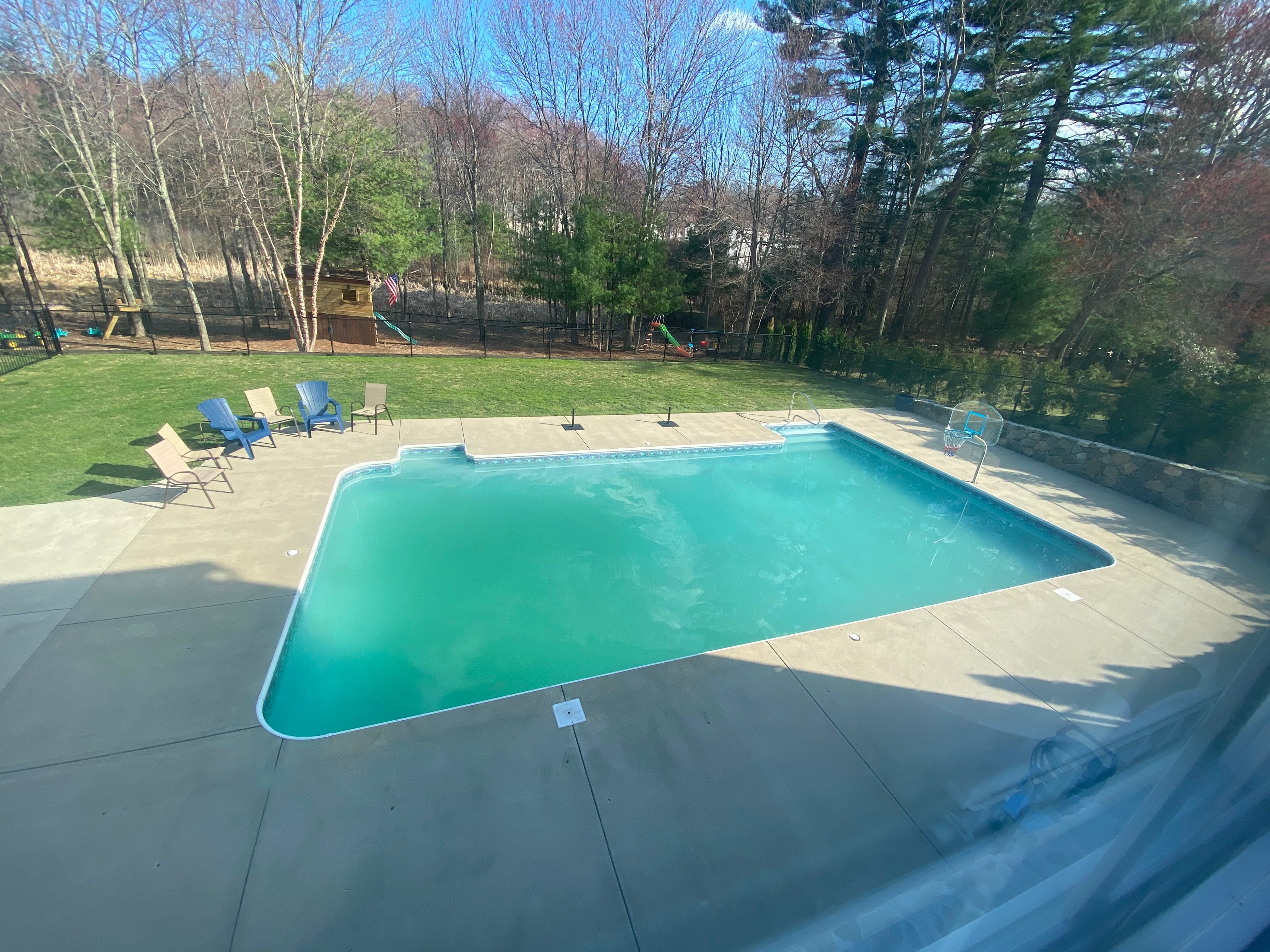
Pool decks are one of the toughest surfaces around a home. They’re constantly wet, exposed to sun, and hit with chemicals like chlorine (and sometimes salt). On top of that, people walk on them barefoot—so comfort matters as much as performance.
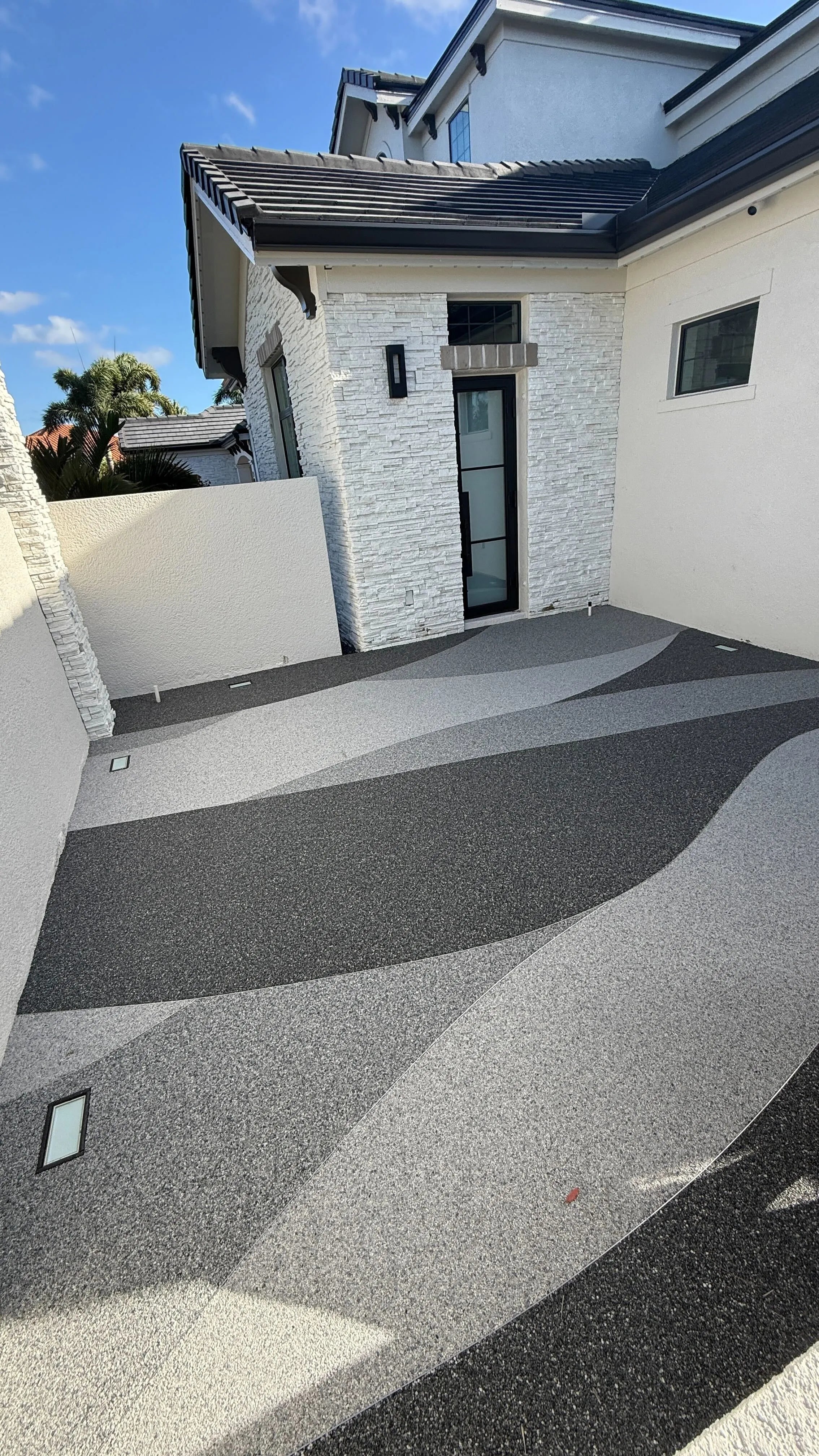
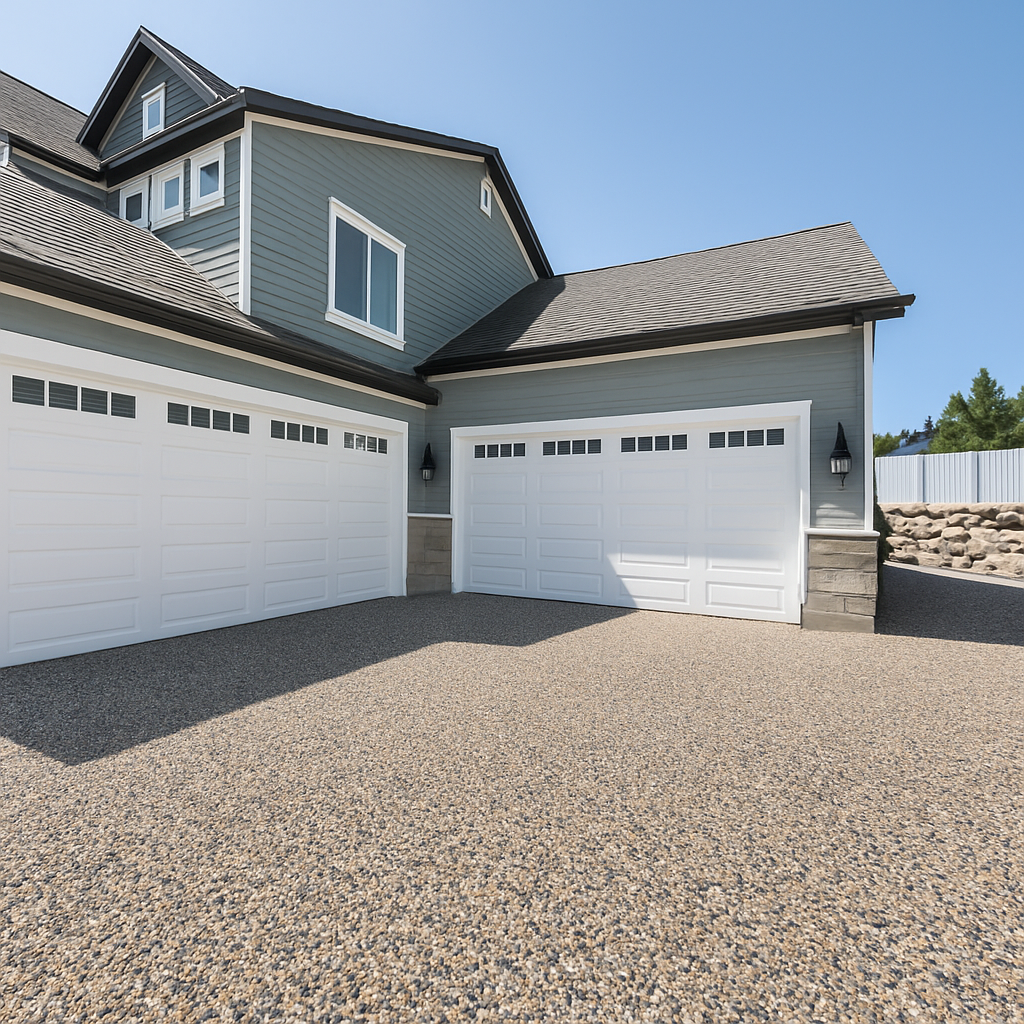
Resin-bound surfacing is popular for pool areas because it can create a smooth, seamless finish, with excellent drainage (when built correctly) and a look that feels more “resort” than “construction site.” Here’s how it performs where it matters most: slip, heat, barefoot comfort, and chlorine.
1) Slip resistance: how safe is resin-bound around pools?
Why pool decks get slippery
Most pool surfaces become slippery because of:
- standing water (puddles)
- algae/organic film build-up
- smooth finishes with no texture
- poor drainage falls
How resin-bound helps
A well-installed resin-bound surface can improve safety because:
- the aggregate texture provides grip underfoot
- a seamless surface means fewer “weird transitions” that trip people up
- if installed as a permeable system, water drains through instead of pooling on top
What actually makes it safer (important)
Slip resistance isn’t just “resin-bound vs not.” It depends on the spec:
- Aggregate size + blend (some are naturally grippier)
- Finish technique (too smooth can reduce traction; too rough hurts bare feet)
- Drainage design (the safest surface is still unsafe if water pools)
Best practice: choose a pool-friendly blend and avoid ultra-smooth finishing. The goal is a comfortable grip, not a sandpaper feel.
2) Heat: will resin-bound get hot in the sun?
Any outdoor surface can get hot in summer—pavers, concrete, tiles, and resin systems included. But resin-bound gives you some control:
What affects heat the most
- Color: darker aggregates absorb more heat
- Sun exposure: full sun areas heat up faster than shaded decks
- Water: wet areas feel cooler; dry zones near loungers can feel hotter
How to keep it cooler
- Pick lighter or mid-tone blends for large exposed areas
- Use darker tones only as borders / accents
- Add shade (umbrellas/pergolas) in seating zones
- Keep water flow and drainage working to avoid “hot dry patches”
If you want, you can use Visualizer to test how lighter blends look around a pool before committing.
3) Barefoot comfort: is it nice to walk on?
This is one of the biggest reasons people choose resin-bound for pool surrounds.
Why it feels better than many alternatives
- No joints like pavers (joints often trap grime and grow algae)
- More even underfoot than loose gravel
- No sharp stone edges when the right aggregate is used
- Less “hard edge” feel than some tile or stamped finishes
The key is the right blend + correct install
Barefoot comfort depends on:
- choosing an aggregate that’s rounded / comfortable
- installing at the correct thickness with a consistent finish
- keeping it clean (built-up debris can make any surface feel rough)
4) Chlorine & pool chemicals: will it last?
Pool decks don’t just deal with water—they deal with chlorine splash-out, cleaning chemicals, and sometimes saltwater systems.
What to know
- Resin-bound systems can perform well around pools, but the resin must be suited for chemical exposure and outdoor conditions.
- The biggest long-term risk usually comes from poor installation details, not just “chlorine.”
How to protect the surface long-term
- Rinse the deck occasionally (especially after heavy chemical dosing)
- Don’t let harsh pool chemicals sit and dry repeatedly in one spot
- Ensure good detailing at edges, drains, and coping transitions
- Use correct resin choice for outdoor UV exposure (especially around pools)
Drainage: puddles vs permeability (big safety factor)
Puddles are where slips start.
A properly designed pool deck should have:
- correct falls/slope to drains where required
- clean edges and transitions so water doesn’t “trap”
- if using a permeable resin-bound build, a suitable base to support drainage
Even the best surface can be unsafe if water is allowed to pool.
Installation checklist for pool decks (what to get right)
If you’re hiring an installer (recommended for pool areas), make sure they check:
- Base condition and moisture management
- Drainage falls and where water is meant to go
- Expansion/movement joints where needed
- Neat edges around coping, drains, walls, steps
- Correct resin choice for UV + outdoor exposure
- A finish that balances grip + barefoot comfort
Maintenance: keep it clean and safe
Most “slippery pool deck” complaints come from algae/film, not the surface itself.
Simple routine:
- quick hose/rinse to remove dust/pollen
- occasional gentle wash with a mild cleaner
- keep leaves from piling up in corners
- treat algae early in shaded damp zones
FAQs:
Is resin-bound safe when wet?
It can be, especially when the blend, finish, and drainage are designed for pool conditions. Safety depends on texture + cleanliness + drainage, not just the material.
Does resin-bound work with saltwater pools?
It can, but you want the correct resin system and good detailing. Rinse occasionally and avoid letting salt residue build up repeatedly.
Will it crack around a pool?
Cracking risk usually comes from the base or movement joints. A proper base and correct detailing reduce this risk a lot.