

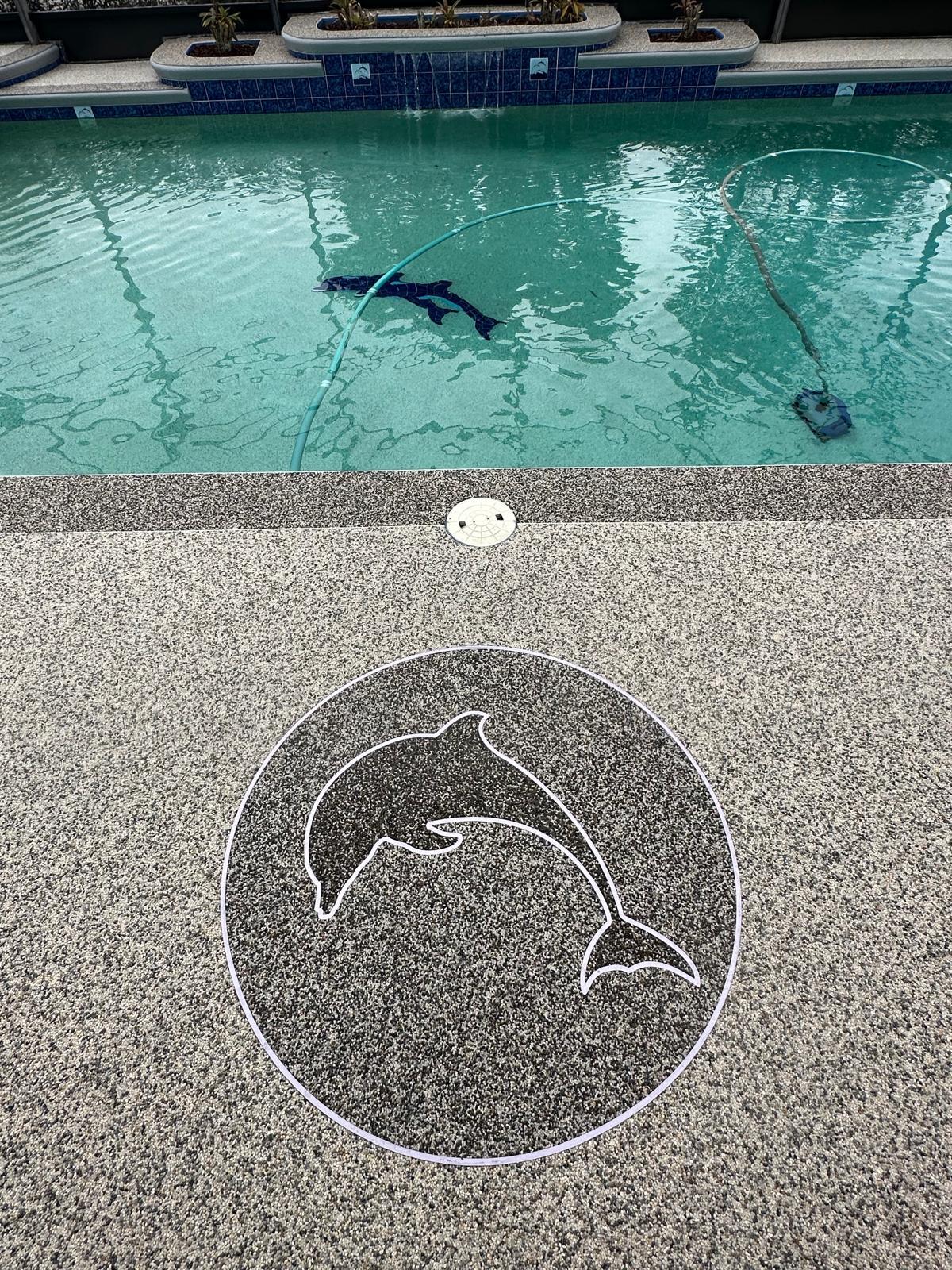
Is Resin Rock Slippery When Wet? The Truth About Slip Ratings
Outdoor surfacing is all about safety, performance, and visual appeal. If you’re considering Resin Rock (a resin‑bound surface) for your driveway, patio, walkway, or commercial area, one of the most common questions we hear is:
Is Resin Rock slippery when wet? In this comprehensive guide, we break down real slip resistance research, safety standards, installation insights, and maintenance tips so you can make an informed choice with confidence.
Understanding Slip Resistance: What It Really Means
Slip resistance refers to how well a surface provides traction underfoot, especially when wet, damp, or contaminated with water, oil, or debris. It’s generally measured in two ways:
-
Coefficient of Friction (COF): How much grip exists between a shoe and the surface.
-
Pendulum Test Values (PTV): A commonly used measure of slip resistance in outdoor surfaces.
A higher value means better traction and lower risk of slipping.
Why Resin Rock Is Generally Not Slippery — Even When Wet
The short answer: Resin Rock is not inherently slippery when properly installed and maintained. Here’s why:
-
Textured Aggregate Equals Better Grip
Resin Rock combines natural aggregate stones with a clear binding resin. This creates a textured, bonded surface that provides natural traction underfoot, unlike smooth concrete or tile slabs that can become slick when wet.
-
Permeability Reduces Standing Water
A major safety benefit of Resin Rock is its permeable nature — water drains through the surface instead of pooling. This reduces the “film” of water that causes slipping on other materials.
-
Professional Installation Matters
Proper installation ensures that the aggregate is fully coated and evenly distributed, which maximizes the surface texture that creates grip. Lower‑quality installations may feel smoother and less slip‑resistant.
-
Resin Rock Out performs Many Traditional Surfaces
Independent slip testing shows that resin‑bound surfaces can score significantly higher in slip resistance than traditional block paving and concrete, placing them in categories with low slip potential even when wet.
Are There Conditions When Resin Rock Can Become Slippery?
While Resin Rock provides excellent grip overall, there are some situations where extra caution is recommended:
-
Heavy Rainfall or Surface Water
Right after a storm or heavy rain, surfaces with temporary puddling can feel more slippery until water fully drains through the porous layer. Proper base preparation and permeability reduce this effect.
-
Algae, Moss, or Debris Build‑Up
Organic growth (like algae or moss) can create a slick layer on any outdoor surface. Regular cleaning prevents this problem and maintains traction.
-
Cold Weather and Ice
In freezing conditions, any outdoor surface can be slick. While Resin Rock still performs better than smooth alternatives, adding grit or applying safe de‑icing materials can further improve traction.
How Resin Rock Compares to Other Materials
|
Surface Type |
Slip Resistance When Wet |
Drainage |
Typical Safety |
|
Resin Rock (Resin‑Bound) |
High |
Excellent |
Safe & Reliable |
|
Concrete |
Moderate |
Poor |
Can be slippery |
|
Block Paving |
Fair |
Moderate |
Variable grip |
|
Smooth Stone/Tiles |
Low |
Poor |
Higher slip risk |
(This comparison reflects general trends in surface traction and drainage, individual results may vary by installation and maintenance.)
How to Maximize Slip Resistance of Your Resin Rock Surface
To ensure your Resin Rock surface remains safe and slip‑resistant, consider the following best practices:
-
Regular Cleaning
Sweep or rinse debris away regularly to prevent the growth of moss and organic films that reduce traction.
-
Choose the Right Aggregate Size
Larger, angular aggregates create more texture and grip. A professional installer can help choose the ideal mix for your site.
-
Install Anti‑Slip Additives Where Needed
For high‑traffic zones (like ramps or commercial entrances), experts sometimes include additional anti‑slip components for extra grip.
-
Ensure Proper Drainage
Even with a permeable surface, proper sub‑base preparation allows water to escape quickly and prevents puddles from forming.
Safety Standards & Slip Ratings (Quick Overview)
Standards like ANSI A326.3 define minimum dynamic coefficient of friction levels for floors walked on when wet. While outdoor standards vary by region, they generally emphasize that a surface should provide adequate traction under wet service conditions to be deemed safe.
The good news? Resin‑bound surfaces, when installed to specification, frequently exceed minimum safety expectations due to their texture and drainage capabilities.
Conclusion:
In conclusion, Resin Rock is not slippery when wet as long as it is properly installed and maintained. Thanks to its textured aggregates, Resin Rock offers excellent natural grip, even in wet conditions. Its permeable nature ensures proper drainage, preventing water from accumulating on the surface, which reduces the risk of slipping. Compared to traditional paving materials, Resin Rock provides a much safer outdoor surface.
Additionally, with the ability to customize the design without sacrificing performance, Resin Rock is an ideal solution for both aesthetic appeal and safety. To ensure long-term performance, choosing a professional installation and performing regular maintenance will help preserve its traction and safety. For more details on Resin Rock installation, its benefits, and maintenance tips, visit the Resin Rock LLC.
Share:
Resin Rock vs. Quartz: Which is the Better Choice for Your Outdoor Surfacing Needs?
From Driveways to Rooftops – Resin Rock Installation Guide